
5 Signs Your Business Needs New Commercial Photography
A quick gut-check for hotels, restaurants, designers, and brands in South Florida.
Commercial photography isn’t permanent. Spaces evolve, brands refresh, design trends shift, and the cameras that captured your images five years ago are objectively outclassed by what’s in my bag today. The photos that helped launch your business may now be quietly working against it.
The hard part is recognizing when that has happened. Most business owners do not notice their imagery is aging until a competitor’s website makes theirs look tired by comparison. Here are five honest signs it is time to commission new commercial photography — and what to do about each one.
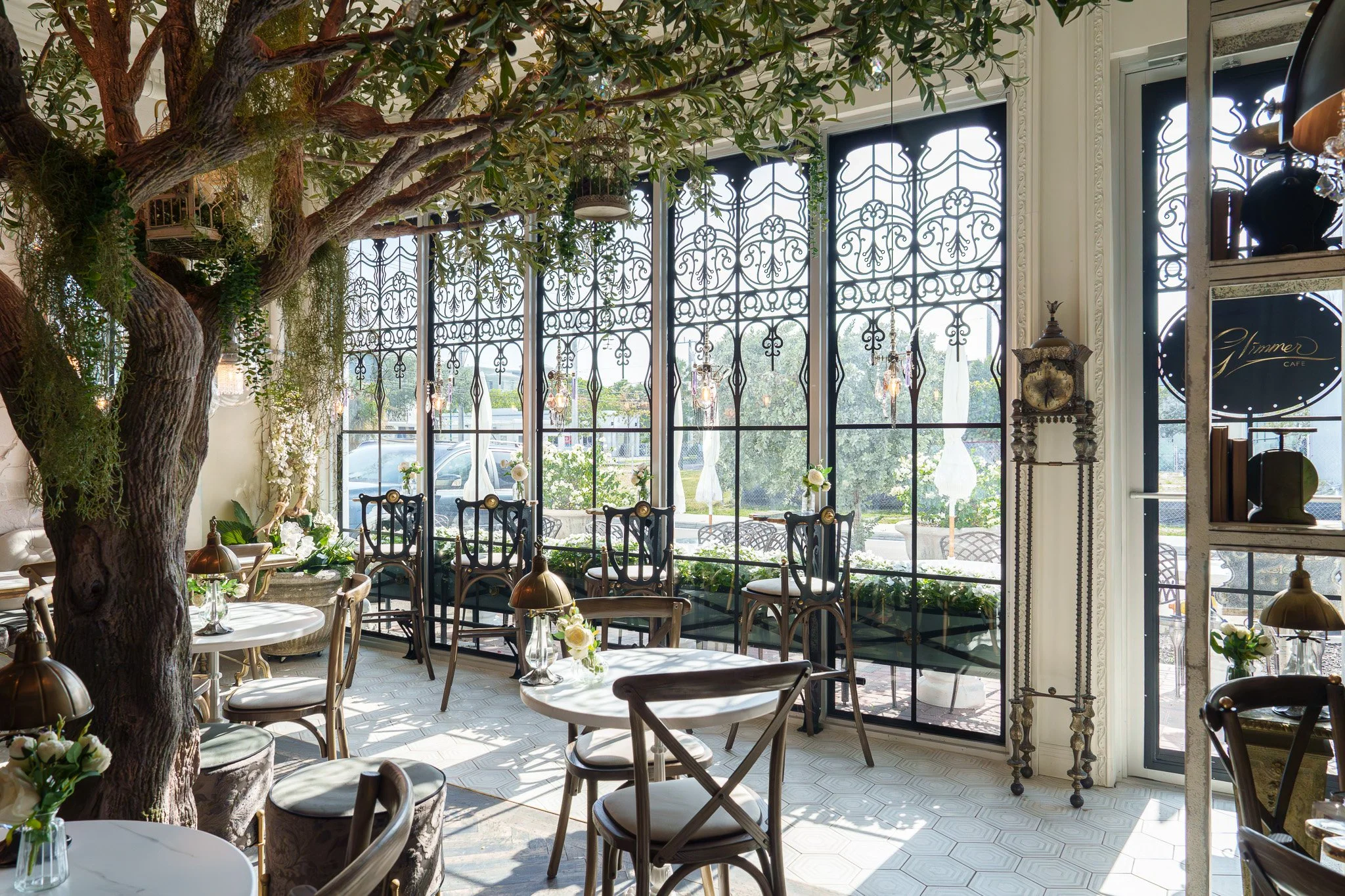
Sign one: your space has changed and your photos have not.
This is the most obvious sign and the most common one I see. You renovated the lobby, refreshed the restaurant, redesigned a guest room, added an outdoor lounge, or rebranded entirely — but the photos on your website still show the previous version. Every visitor who books based on those images is going to arrive disappointed, and worse, you are not getting credit for the investment you already made.
What to do: Schedule a refresh shoot within ninety days of any meaningful renovation. Even a half-day shoot of the updated spaces can replace the outdated images on your site, OTAs, and Google Business Profile.
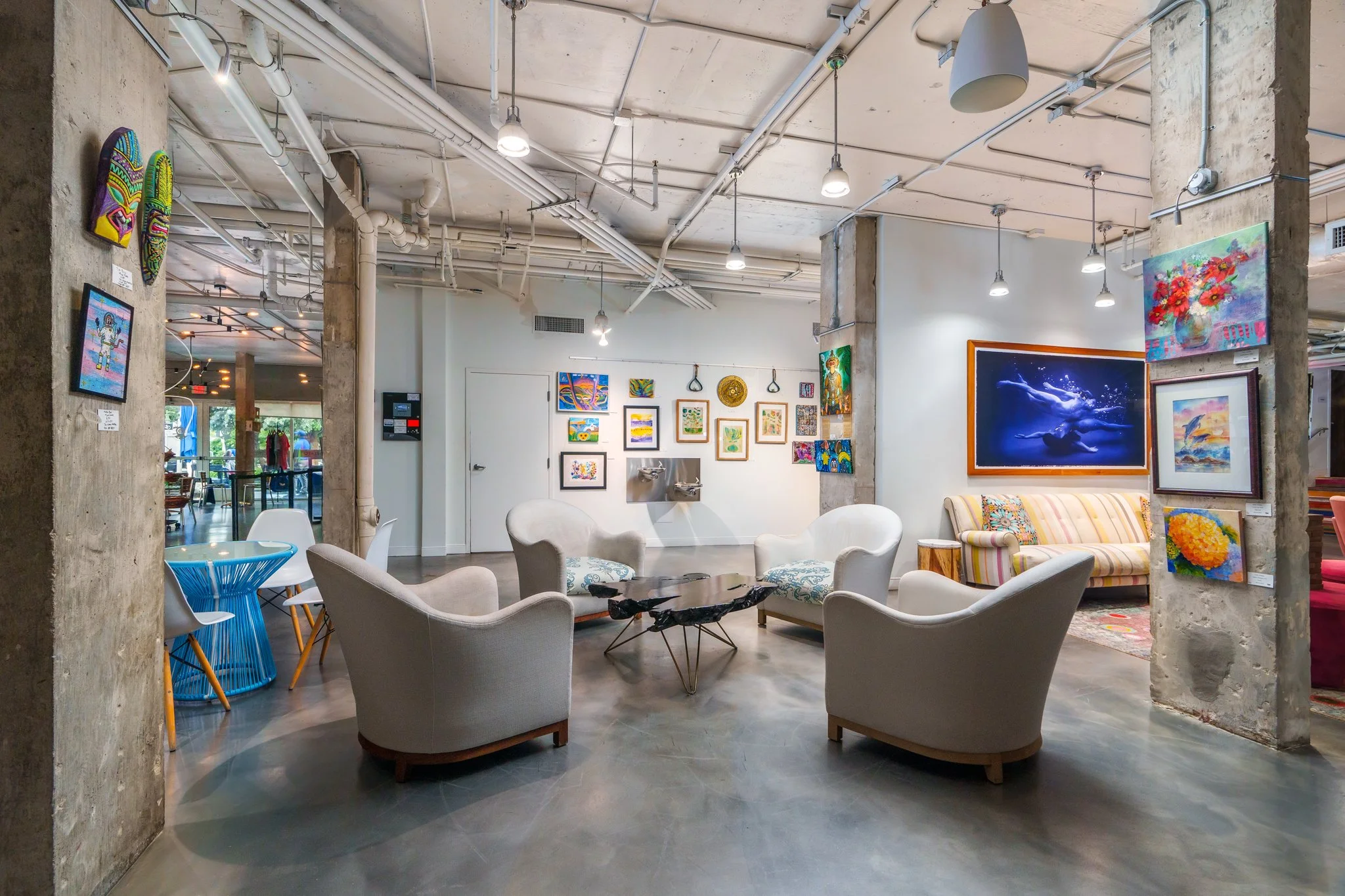
Sign two: your photos look like a different decade.
Visual trends shift fast. The heavily-saturated, HDR-style real estate photography that dominated the early 2010s now reads as dated. Cool blue tones, warped wide-angle interiors, and overexposed windows immediately tell a sophisticated viewer that the images are old, even if they cannot articulate why. Today’s hospitality and commercial photography leans into natural light, balanced contrast, accurate color, and composed framing that respects the architecture.
What to do: Pull up your homepage and compare it side-by-side with a high-end competitor’s. If their images feel current and yours feel processed, the look is dating you.
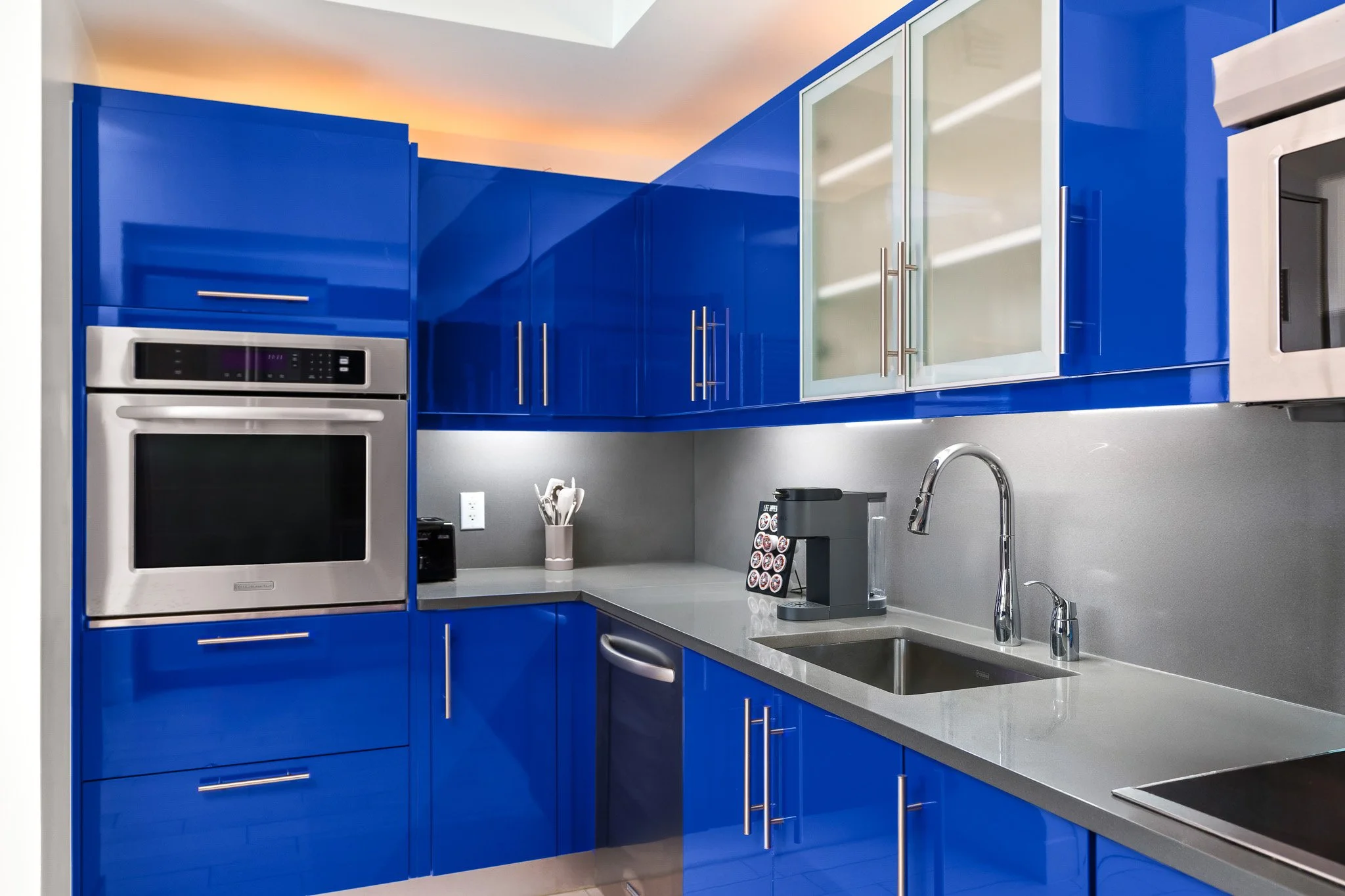
Sign three: your image library is inconsistent.
This happens to almost every growing business. You hired one photographer for the launch, a different photographer two years later when you opened a second location, an agency-supplied photographer when you ran a campaign, and grabbed a few phone shots in between because you needed something for social. The result is a website and marketing library that looks like five different brands. Color grading is inconsistent. Framing styles clash. Some shots are warm, some cold, some heavily edited, some flat. The viewer’s brain registers the chaos even if they cannot name it.
What to do: Commit to a single photographer for the next twelve to twenty-four months of brand-critical work. Consistency of look across the entire customer journey is one of the strongest signals of a premium brand.
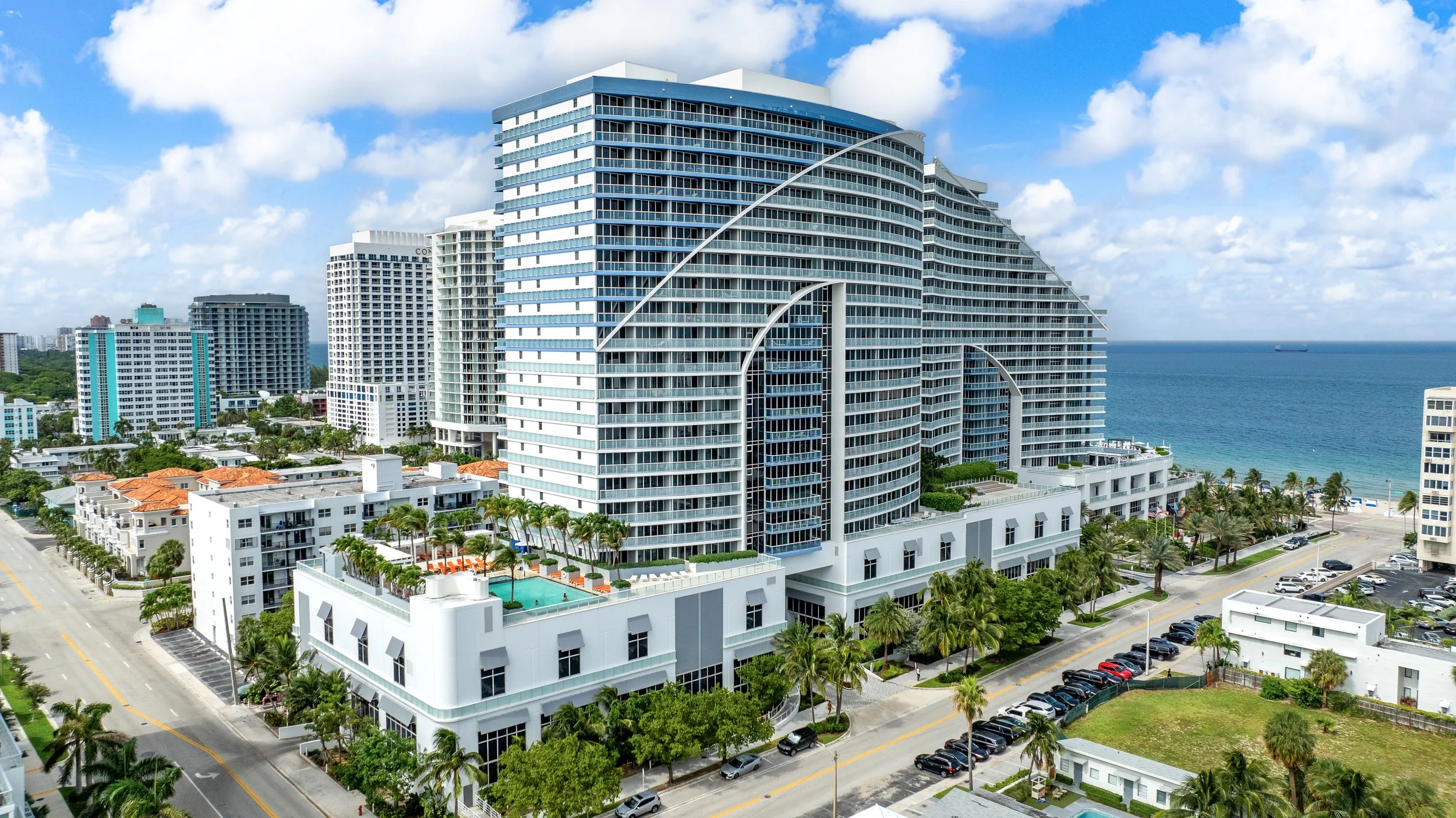
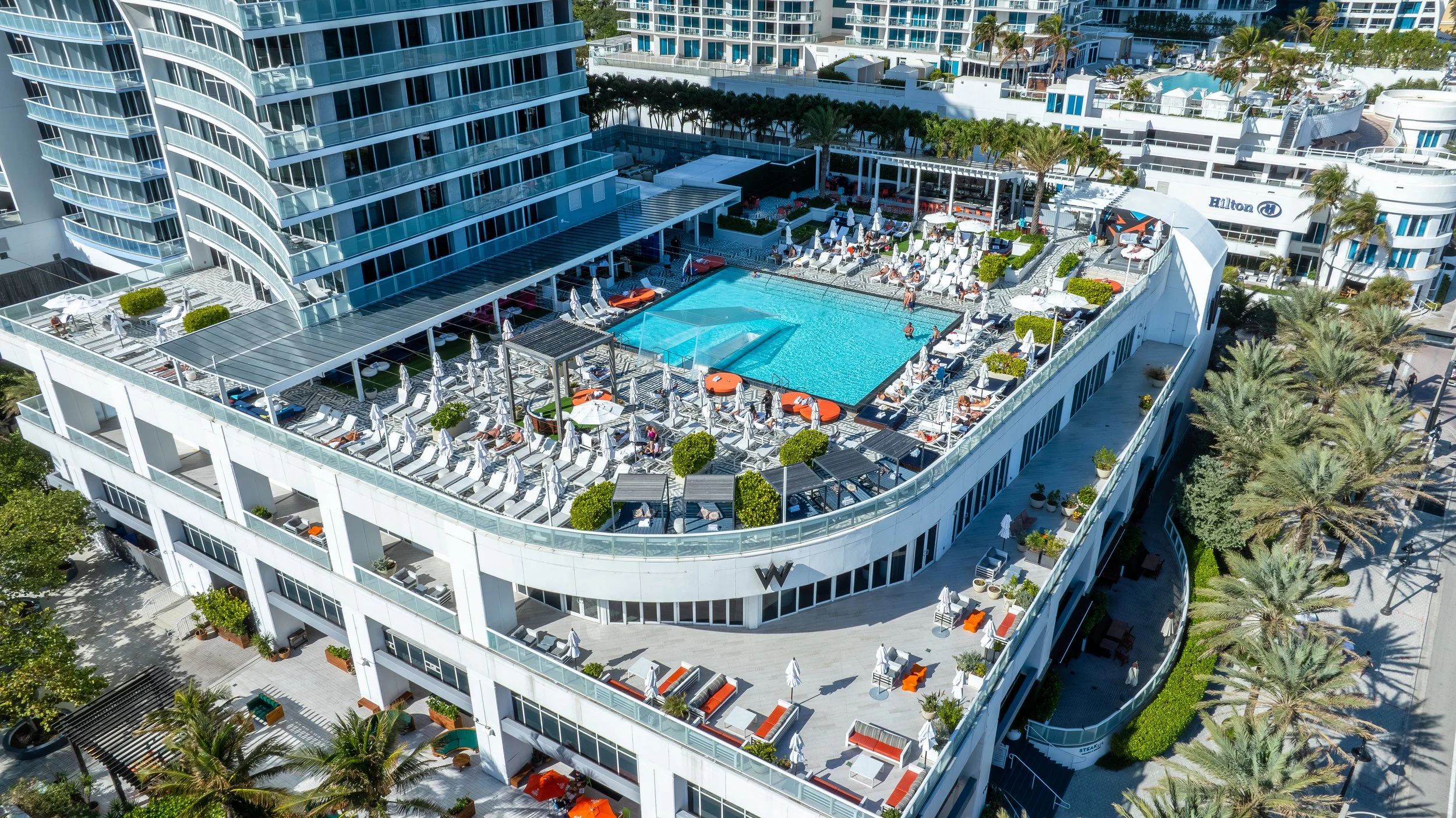
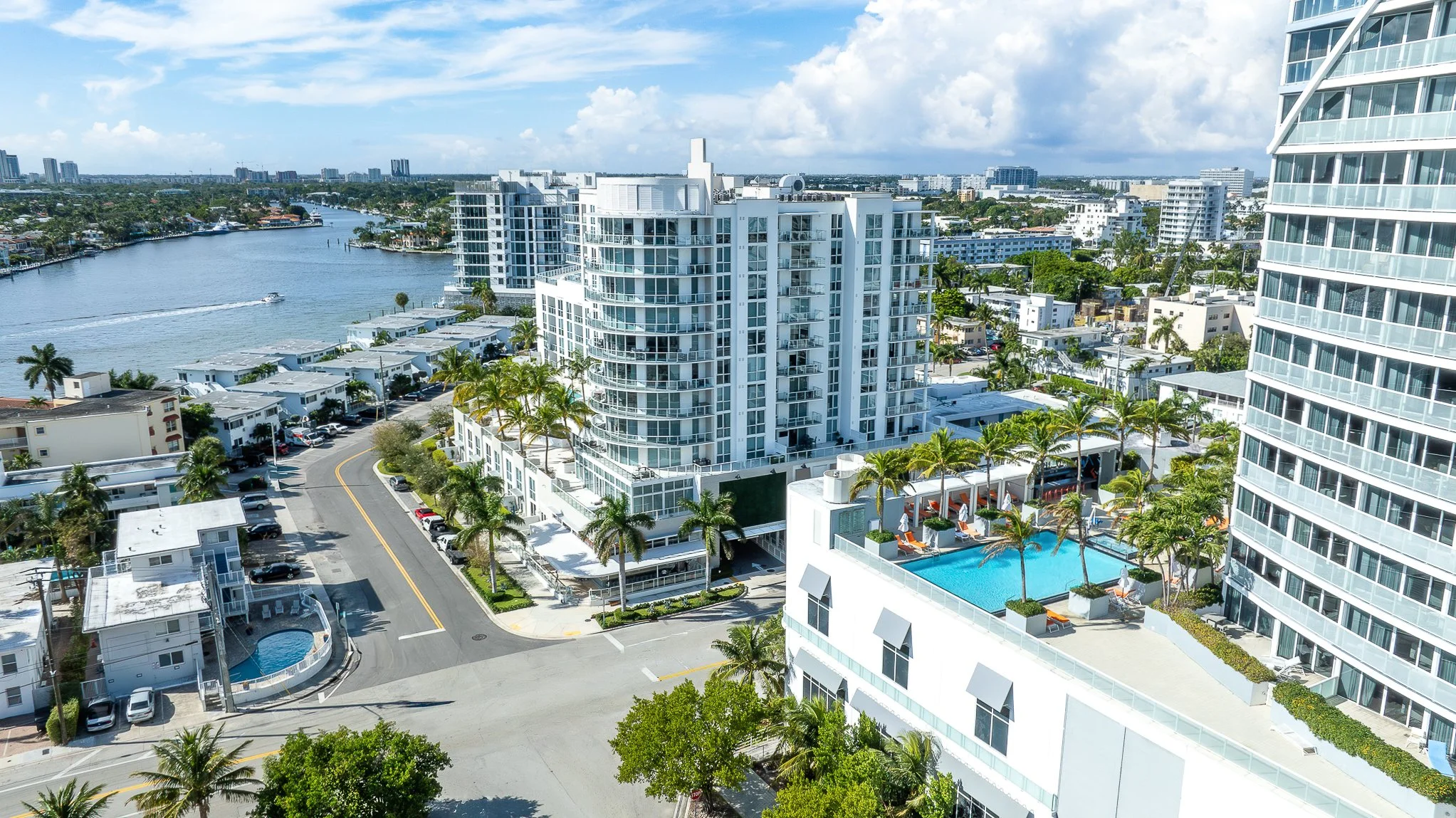
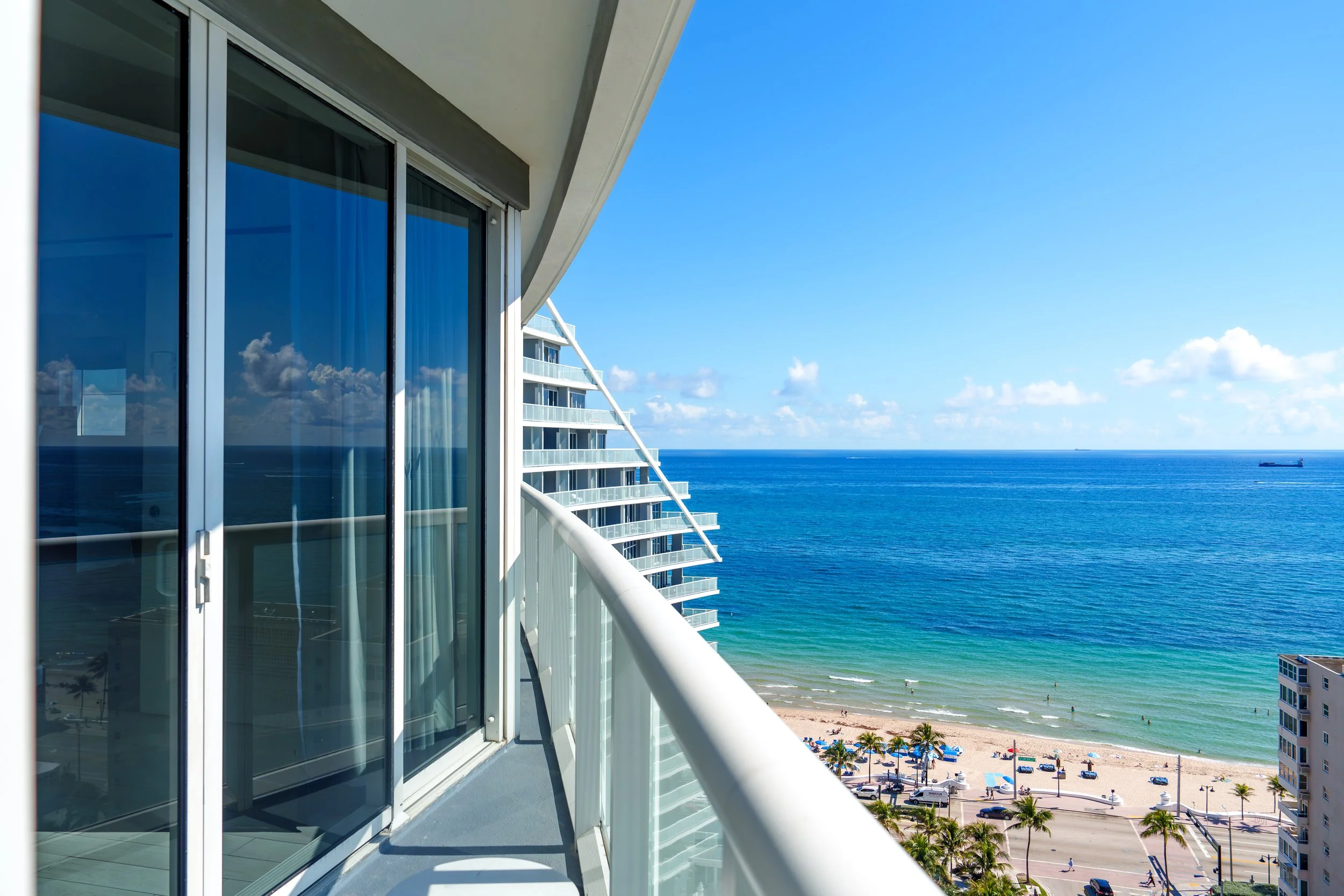
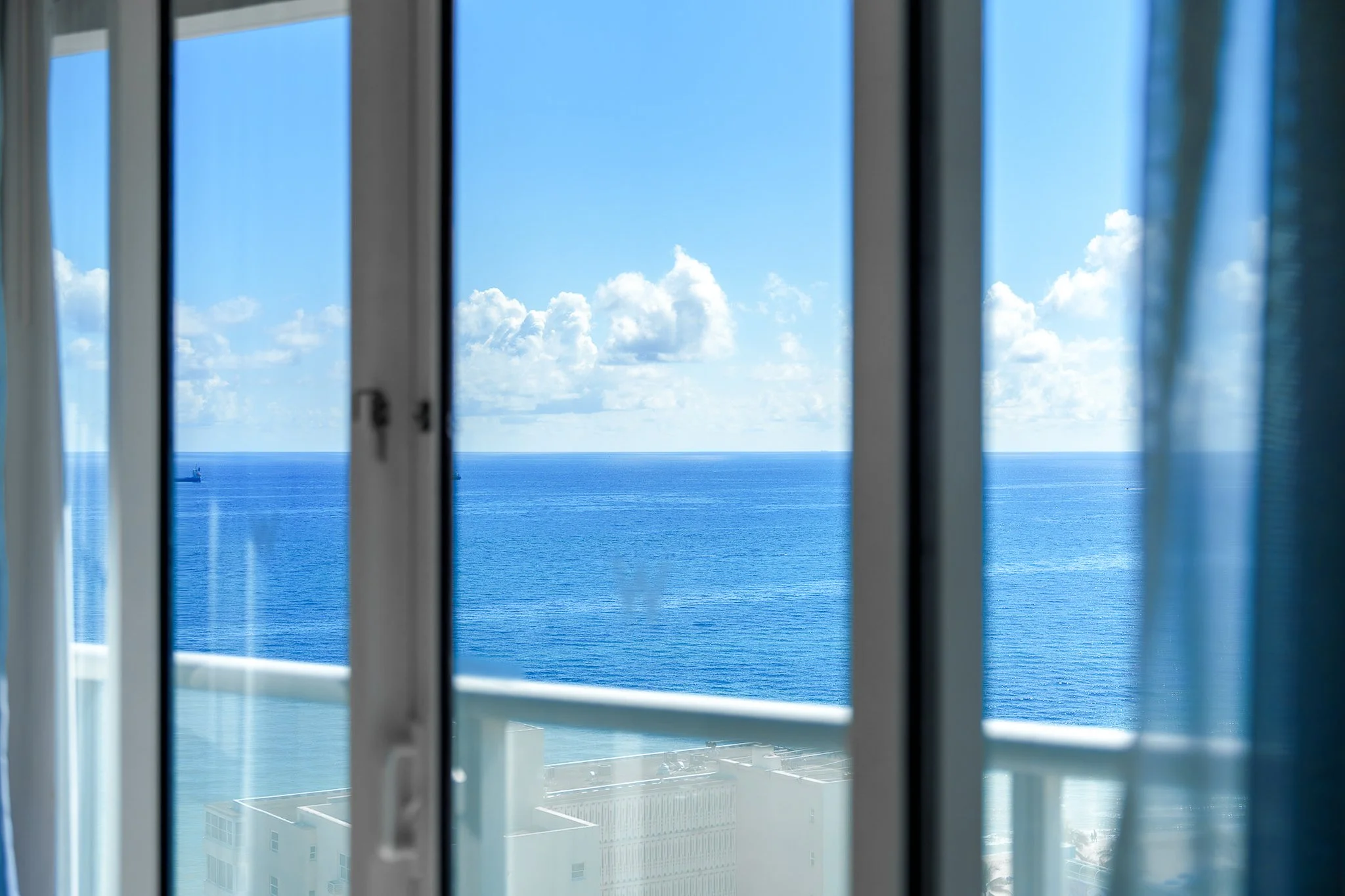
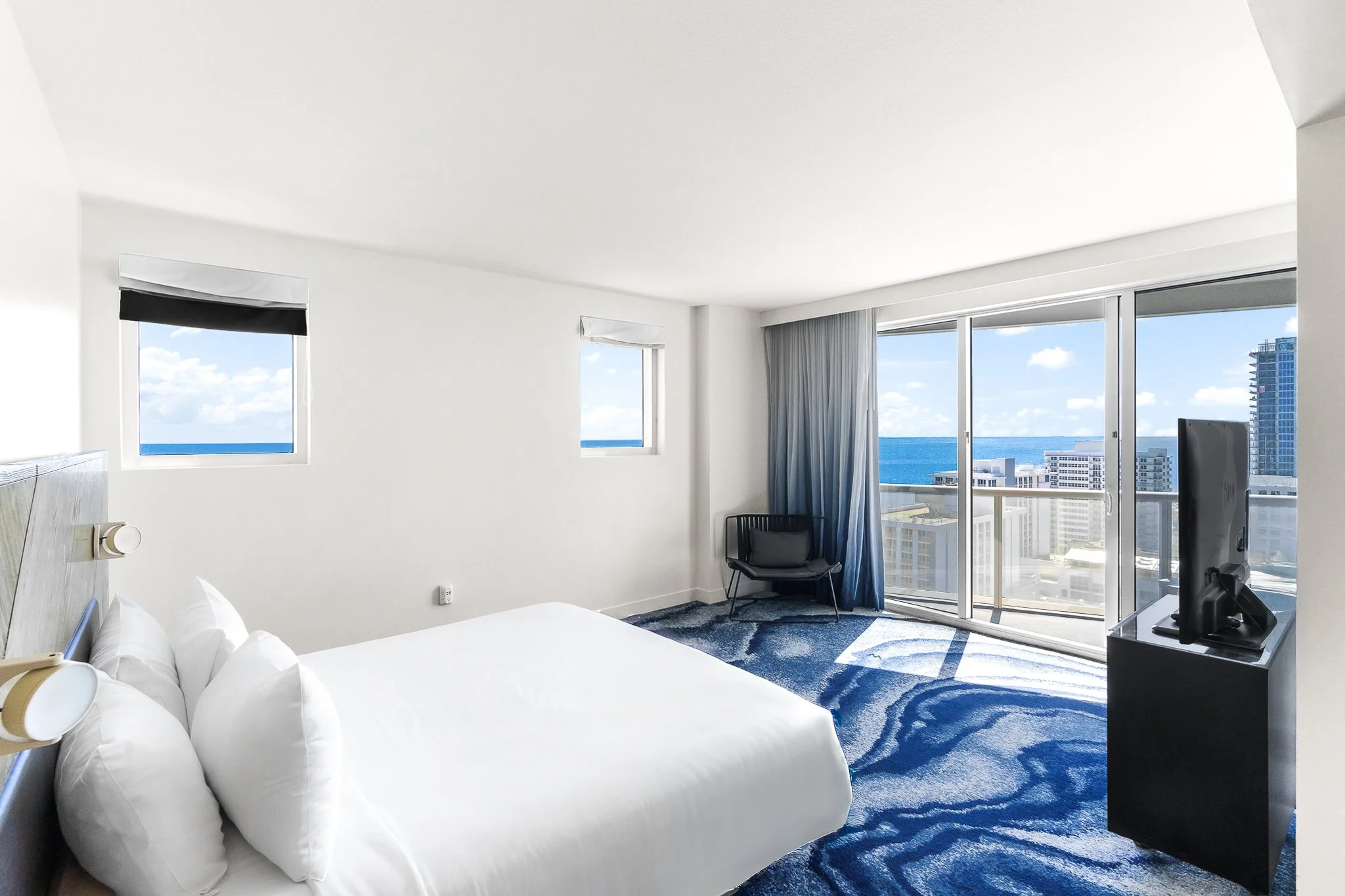
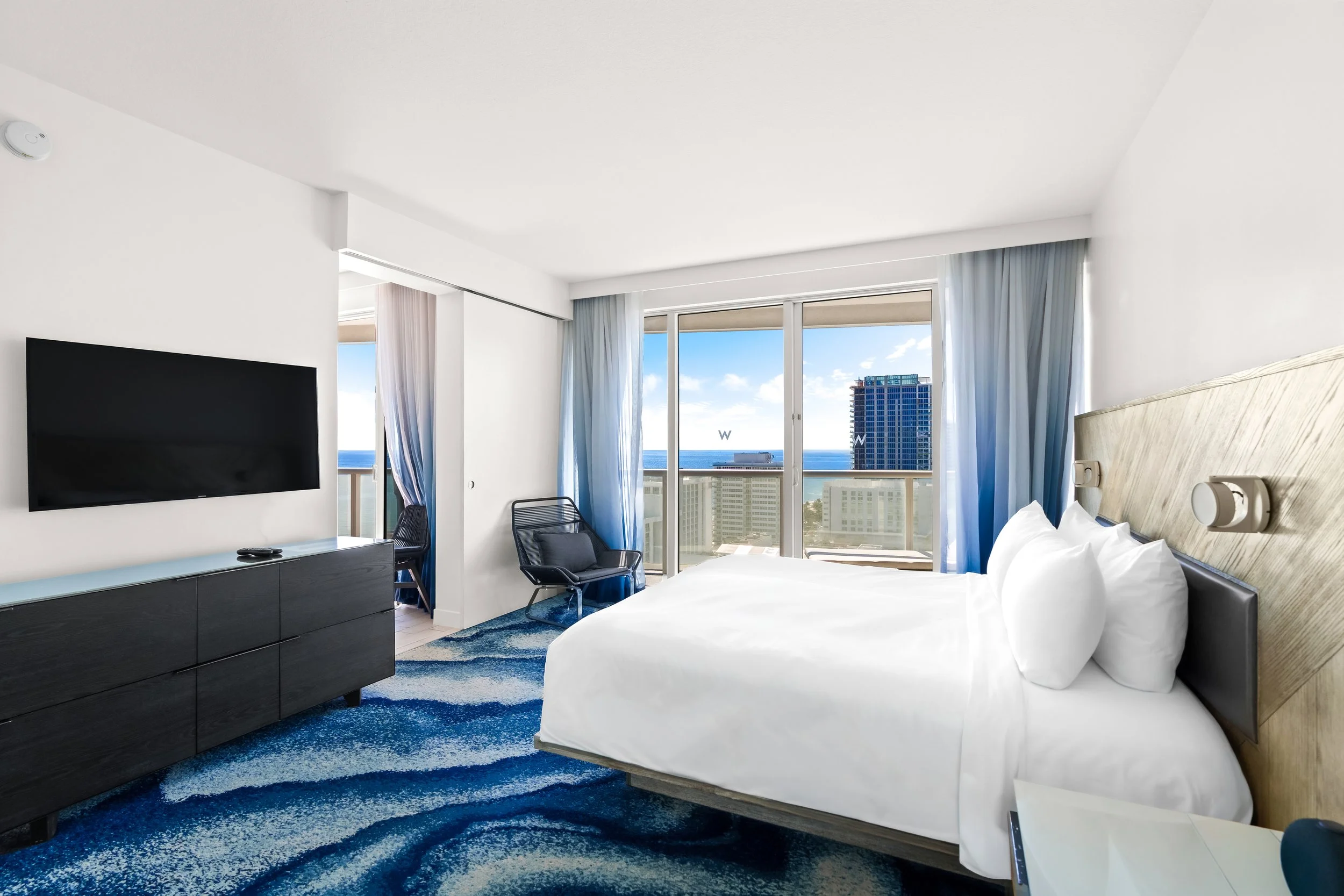
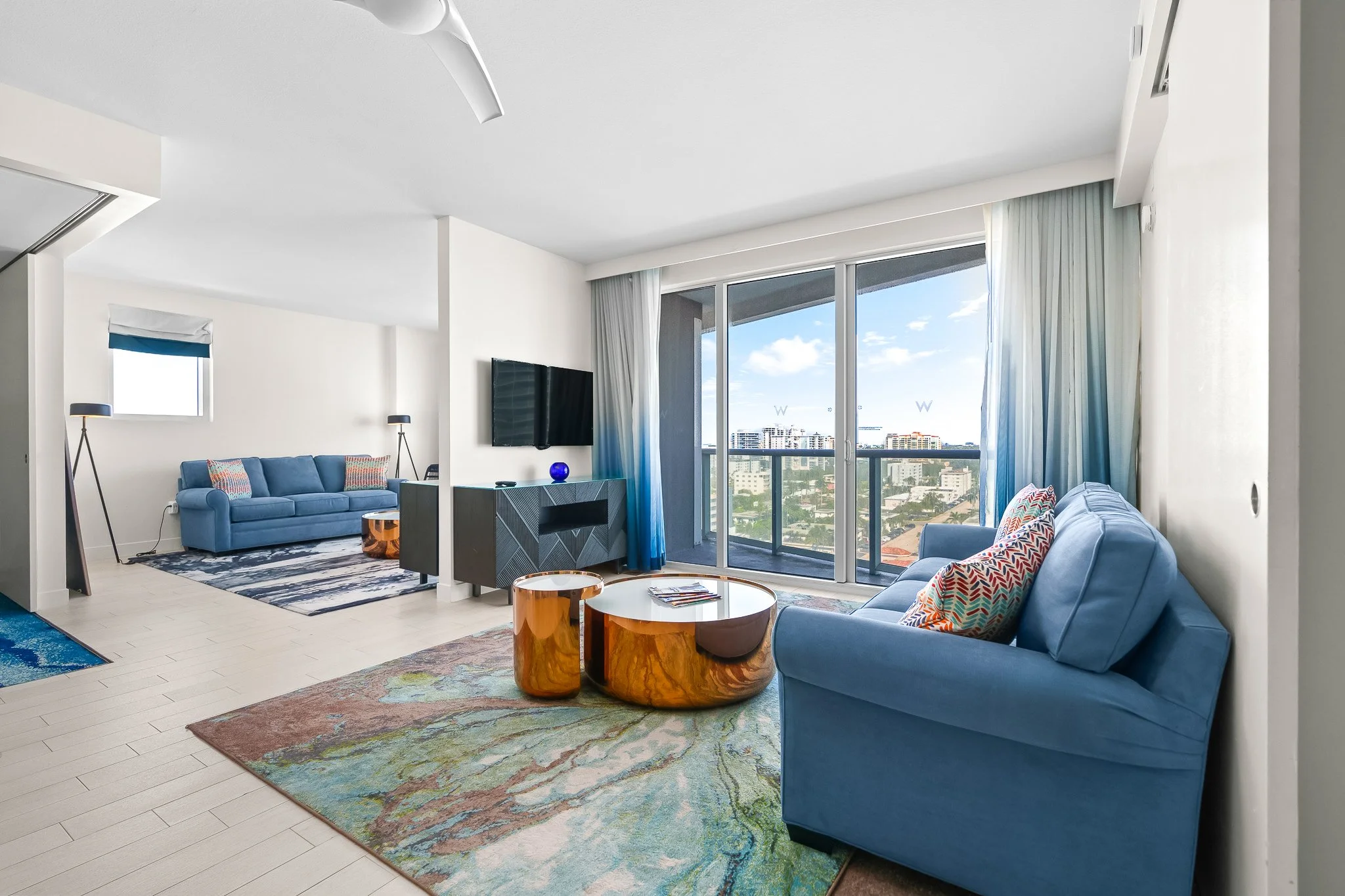
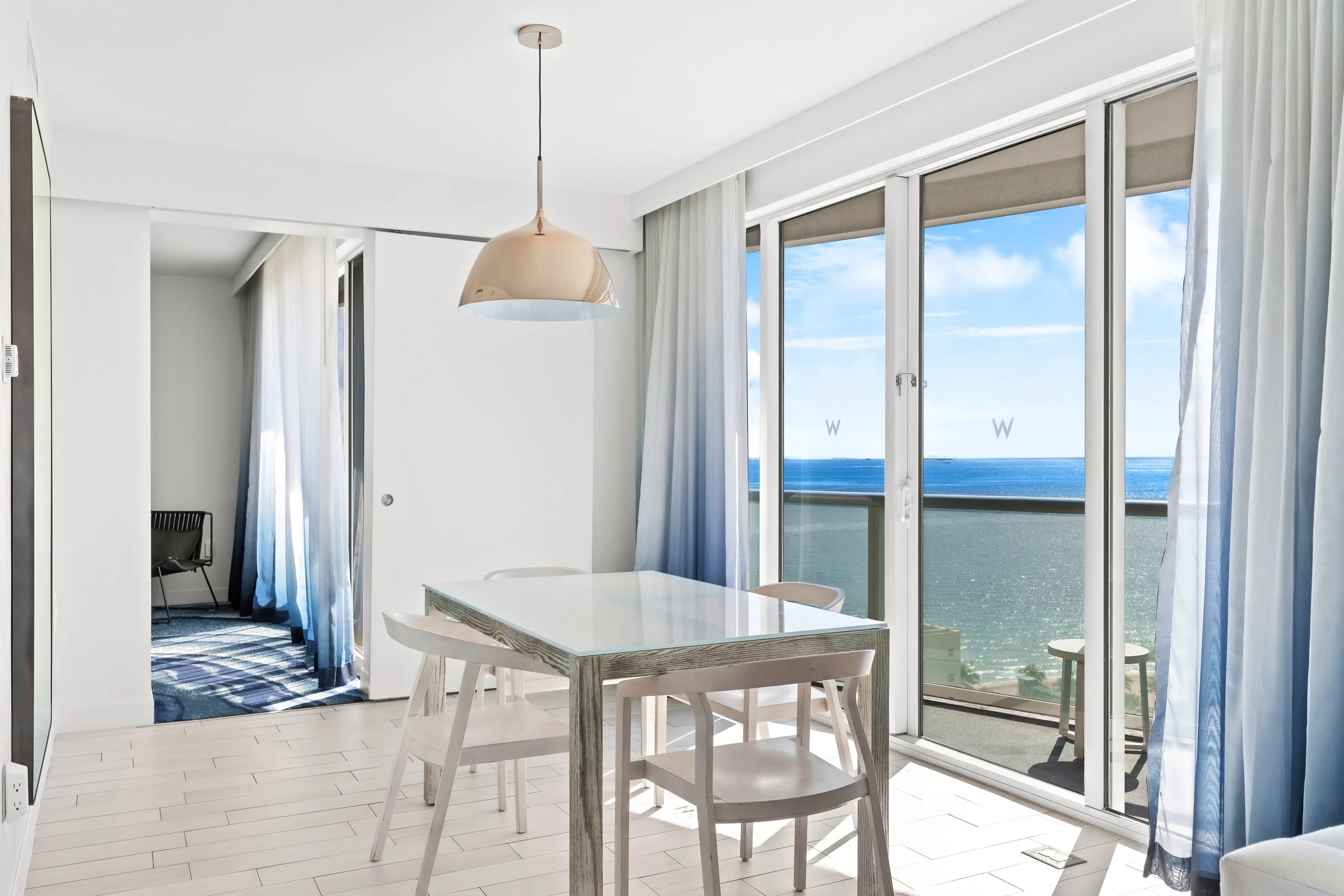
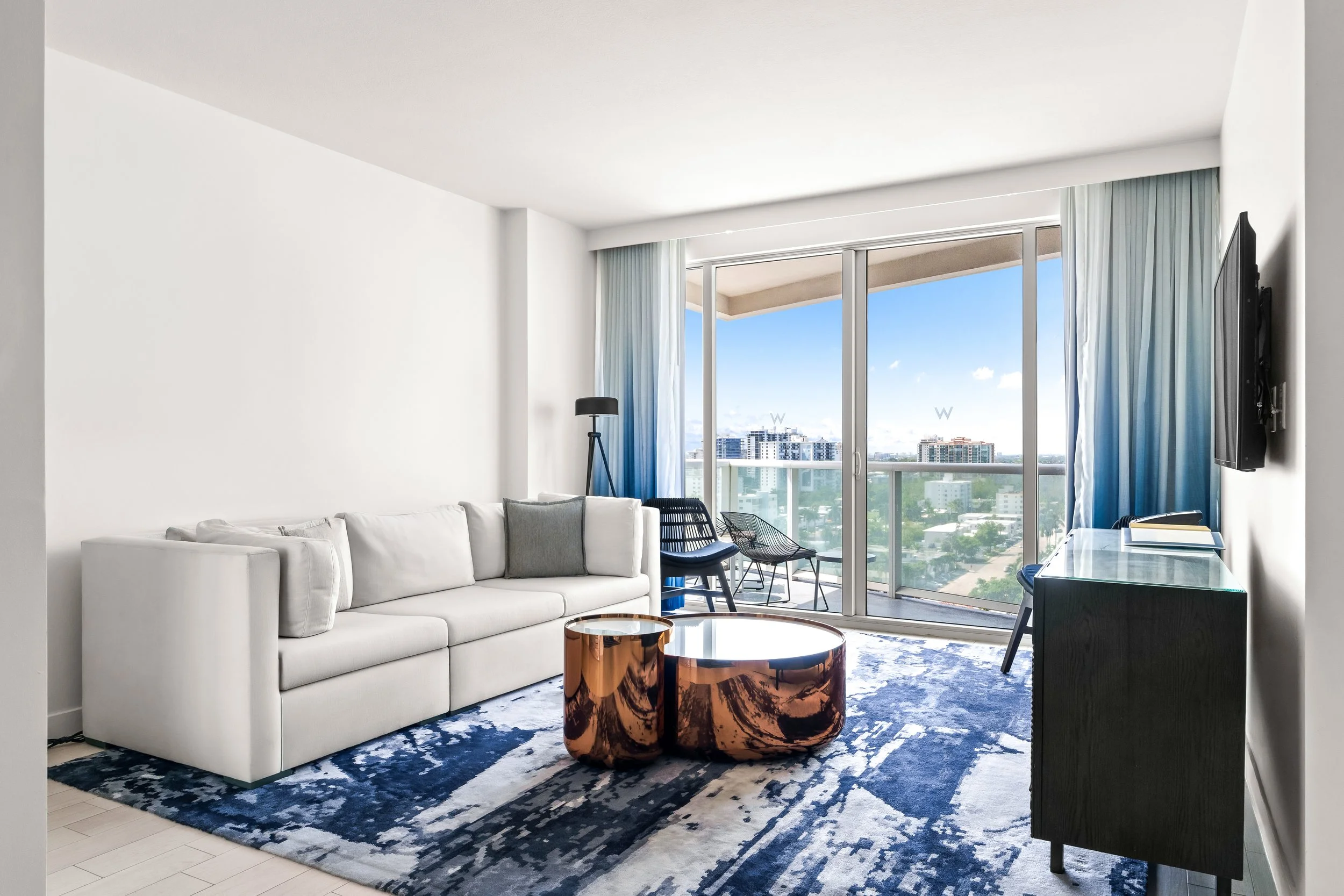
Sign four: you are losing the comparison shop.
Travelers, clients, and customers compare. On Booking.com, on Google, on Instagram, on a designer’s portfolio page — they put you next to your competitors and decide in seconds. If your visuals lose that comparison, you lose the booking, the lead, or the inquiry. This is the sign that hurts the most, because the customer almost never tells you. They just go elsewhere.
What to do: Pull up three direct competitors in your category and put their photos side-by-side with yours on the same screen. Be honest. If their imagery looks like a stronger brand, your imagery is the bottleneck.
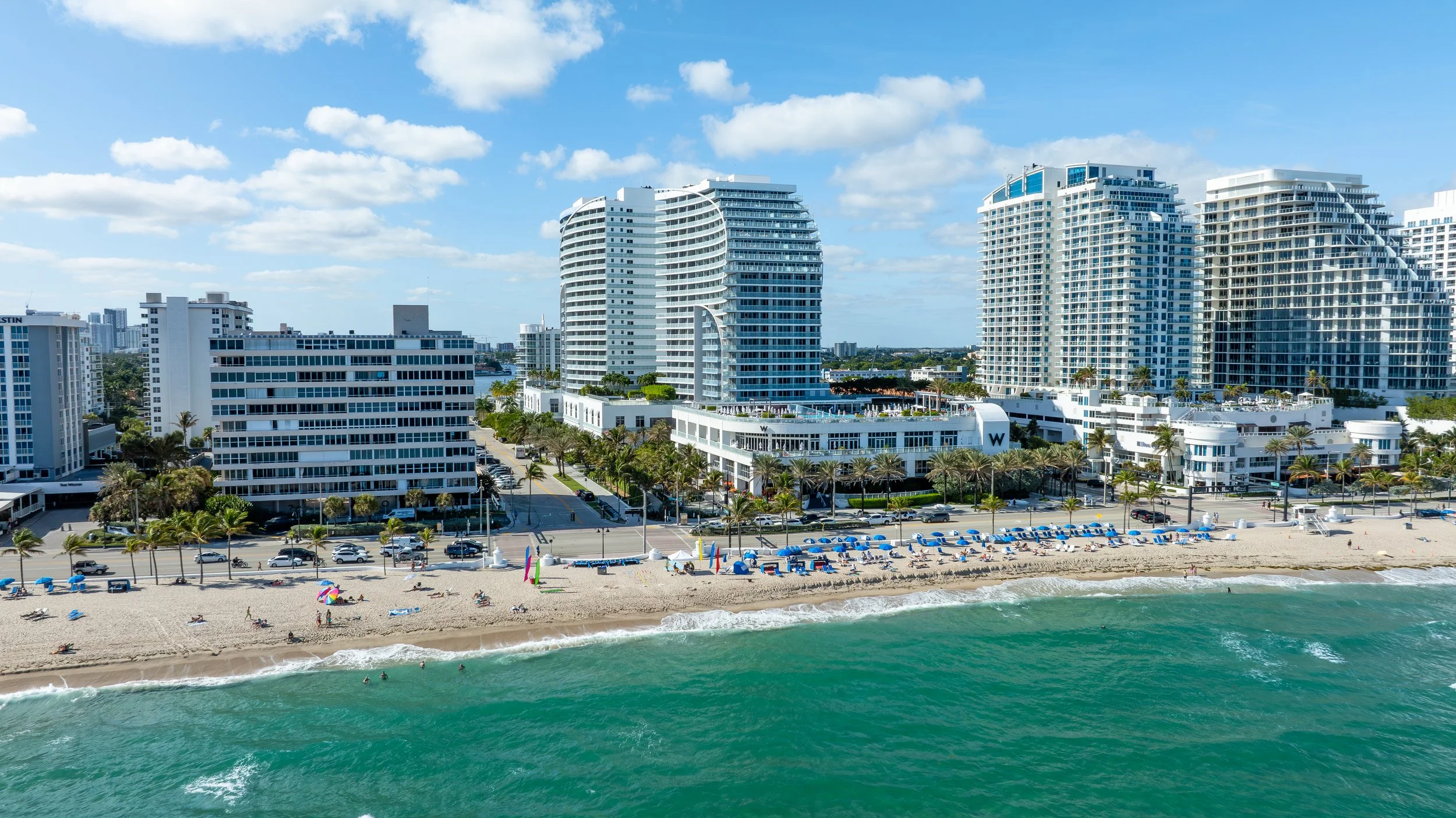
Sign five: you cannot find what you need when you need it.
Marketing teams know this one well. The PR request comes in, the seasonal campaign kicks off, the social calendar needs filling — and there is no high-resolution image of the courtyard at dusk, no vertical crop of the bar for stories, no clean detail shot of the chef’s signature dish without a guest in the background. If you are constantly working around what you do not have, your image library is undersized for your business. A proper commercial shoot should produce a library with multiple angles, orientations, lighting moods, and scenes per location — not just hero shots.
What to do: When you commission your next shoot, brief the photographer on every channel where the images will live and the formats each one needs. The cost difference between a tight shot list and a broad one is small. The value difference is enormous.



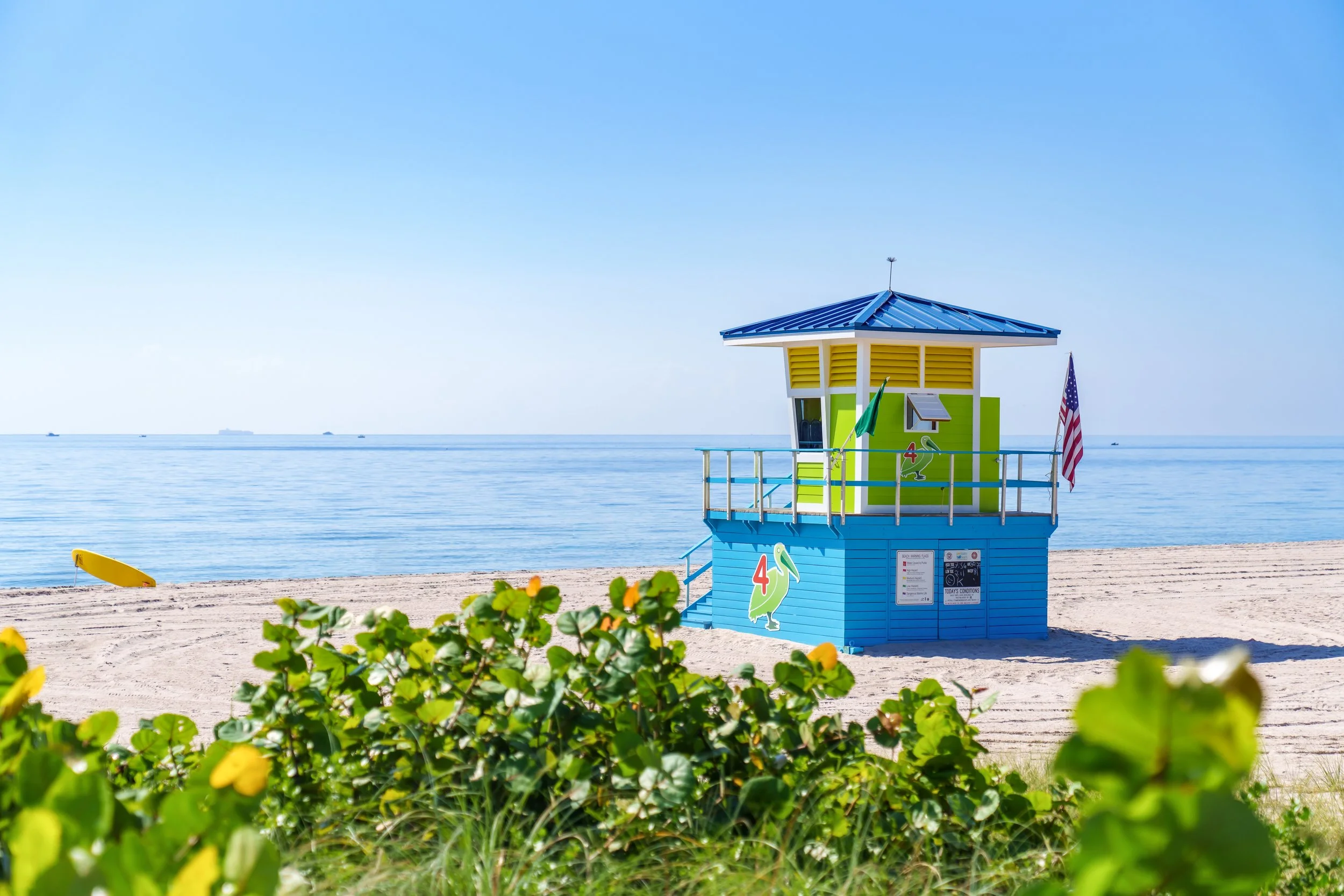
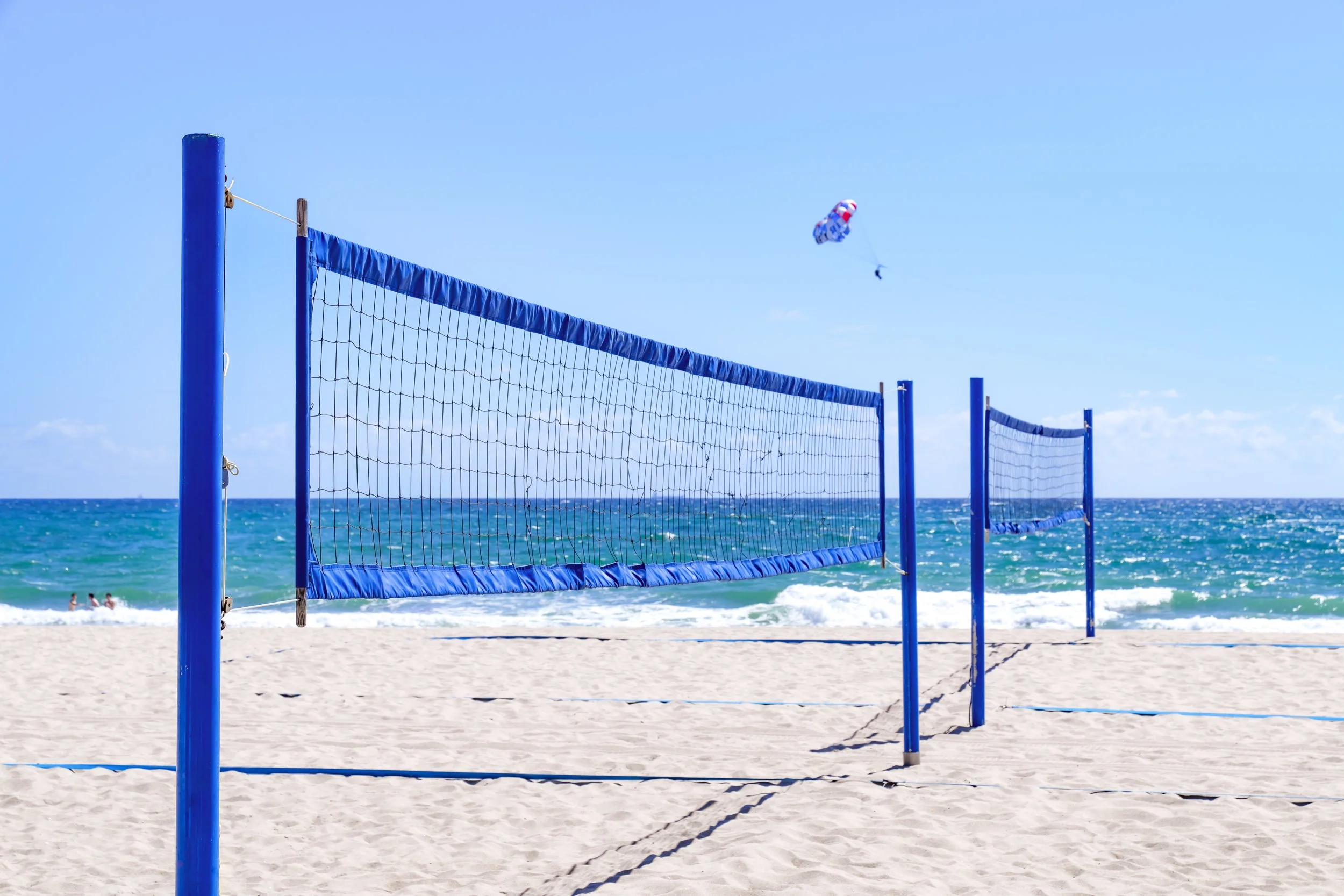
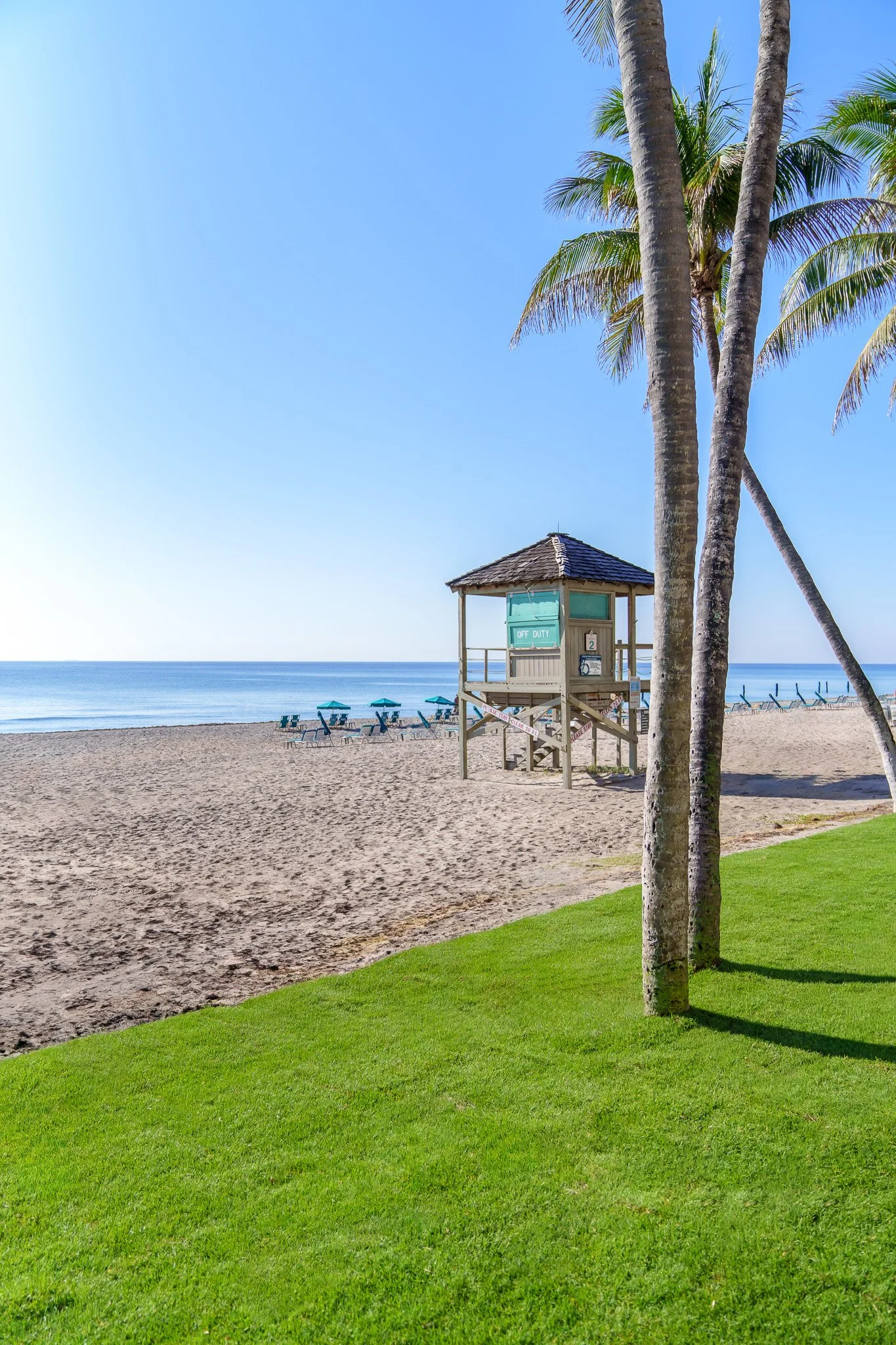



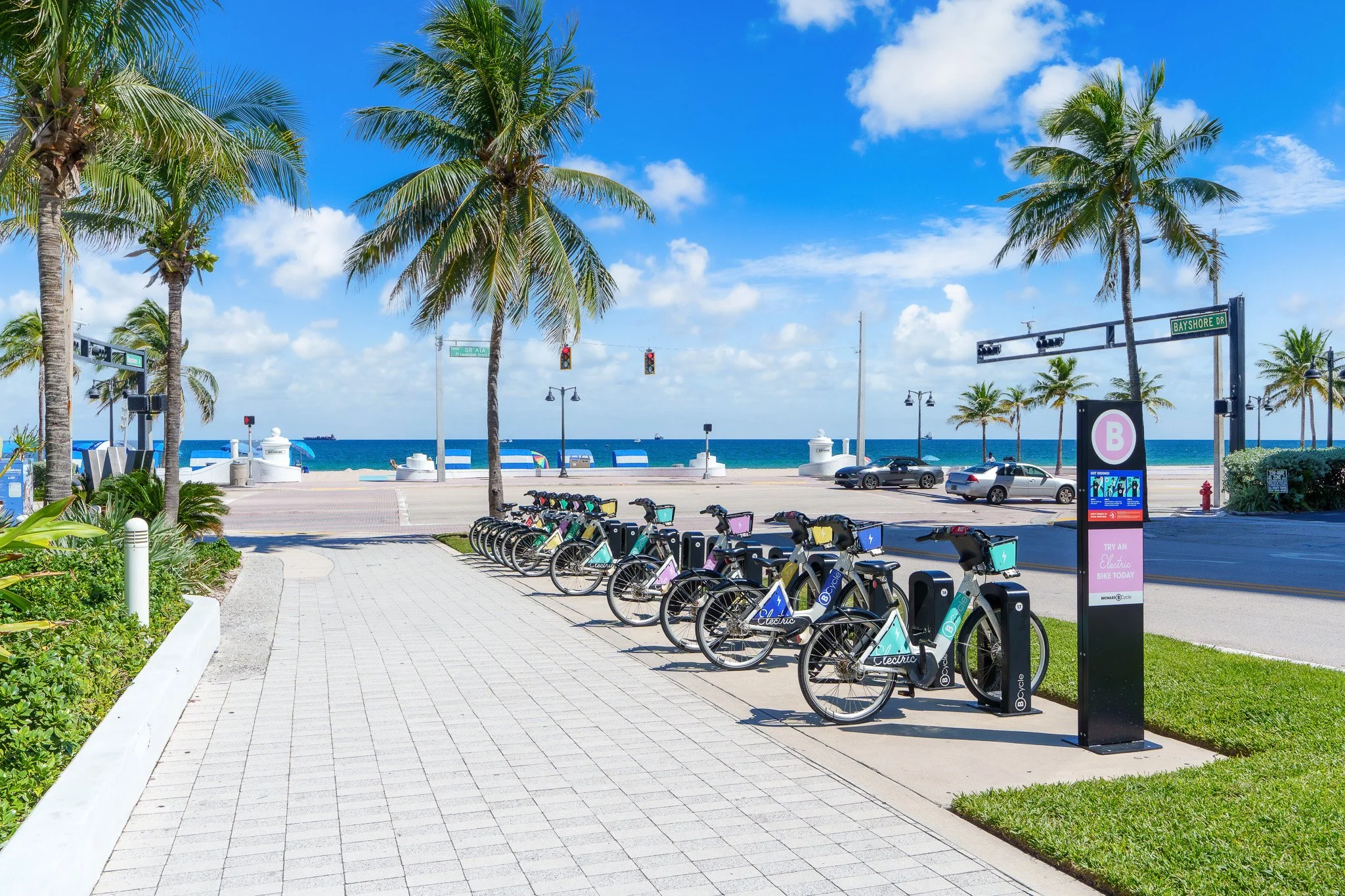
If two or more of these signs describe your current situation, it is time to plan a refresh. A strong commercial shoot is one of the few marketing investments that pays out across every channel, for years, and gets stronger as your business grows into the imagery. The brands that compete best in South Florida hospitality and design treat their image library as a living asset, not a one-time line item. The ones that lag treat photography as a checkbox — and it shows.