
How to Prepare Your Space for a Commercial Photo Shoot
A practical guide for hotels, restaurants, designers, and property owners in South Florida
You’ve booked the photographer. The shoot is on the calendar. Now what?
Most clients underestimate just how much of a great commercial photograph happens before the camera comes out of the bag. The lighting, the composition, the post-production — that’s my job. But the staging, the cleanup, the small details that make a space feel intentional rather than lived-in — that’s where you can make or break the shoot. After more than a decade photographing hospitality interiors, restaurants, fitness studios, country clubs, and commercial spaces across South Florida, I’ve learned that the difference between good images and exceptional ones almost always comes down to preparation.
Here’s how to set your space — and your shoot — up for success.
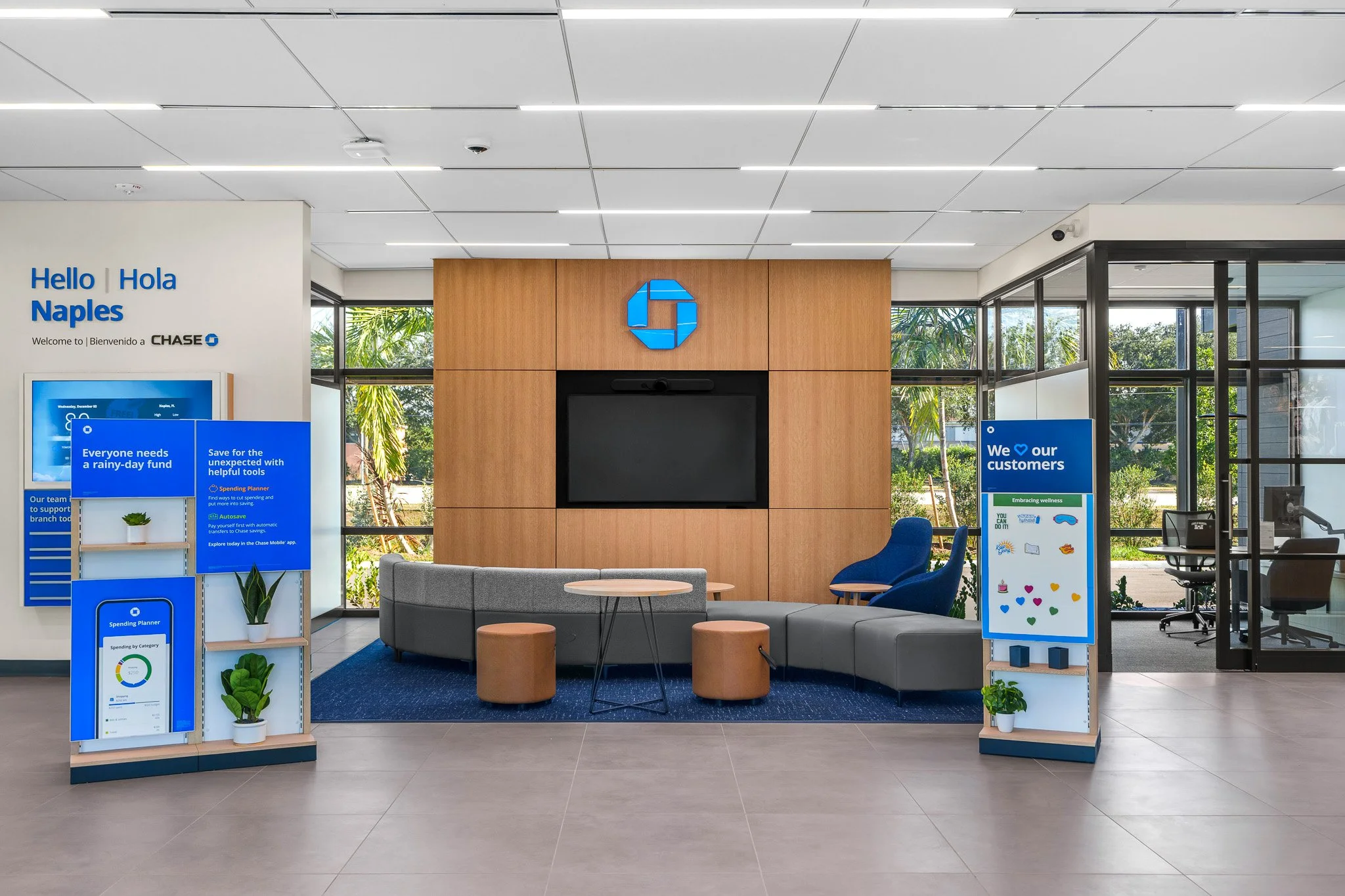
Start with a deep clean — then go deeper
The camera sees everything. Smudges on glass, dust on a baseboard, lint on a velvet chair — details your eye filters out in everyday life become glaring on a 50-megapixel image. A few days before the shoot, walk through your space the way I will: slowly, methodically, from every angle.
Wipe down all glass and mirrored surfaces (windows, partitions, light fixtures, picture frames). Vacuum and steam carpets. Wipe baseboards and door frames. Touch up any chipped paint. Pay attention to ceilings — light fixtures, vents, sprinkler heads, and exit signs all show up in wide-angle interior photographs, and dust accumulates on them more than you’d think.
In restaurants and bars, polish every piece of glassware that might be visible. In hotels, iron bedding and pillowcases — wrinkles read as messiness in a still image. In offices and showrooms, hide cables and clear desks of clutter.
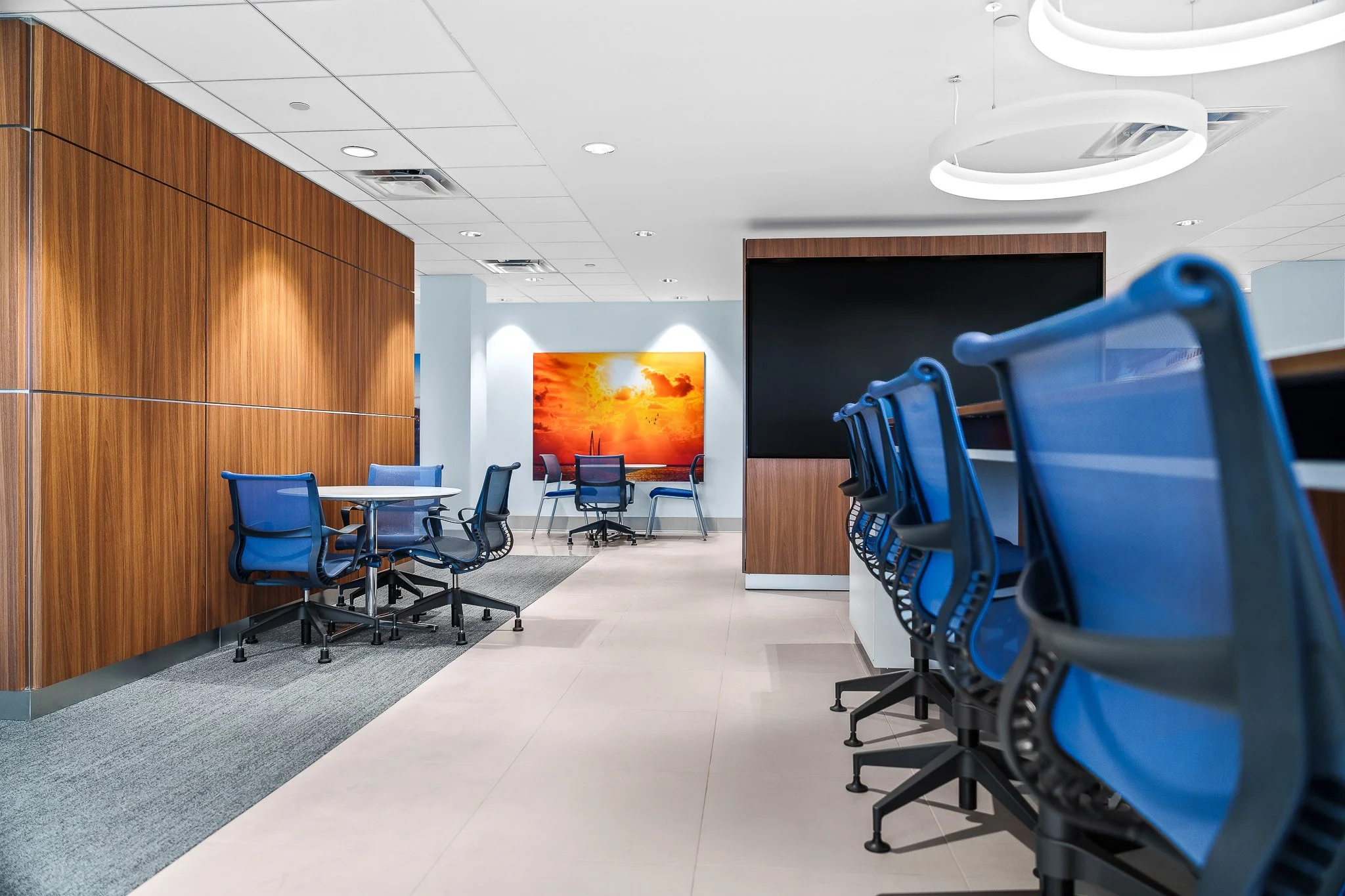
Stage with intention
A photograph is a story told in one frame. Empty rooms feel sterile. Over-cluttered rooms feel chaotic. The sweet spot is what designers call “lived-in but curated” — a space that suggests human presence without showing the mess of actual human life.
For hospitality interiors, that means setting tables with full place settings, folding napkins crisply, placing fresh flowers in vases, lighting candles where appropriate, and pulling chairs to a uniform distance from the table. For hotel rooms, fluff every pillow, fold throws at a clean diagonal, place a single book or a fresh towel as a styling accent. For restaurants, dress a hero table fully — plates, glassware, cutlery, a small floral arrangement, and (if the menu allows) a beautifully plated dish under cover until shoot time.
For commercial and retail spaces, less is more. Remove price tags, sale stickers, and seasonal promotional signage unless they’re integral to the shot. Hide trash cans, recycling bins, “wet floor” signs, and anything else that screams operations rather than experience.
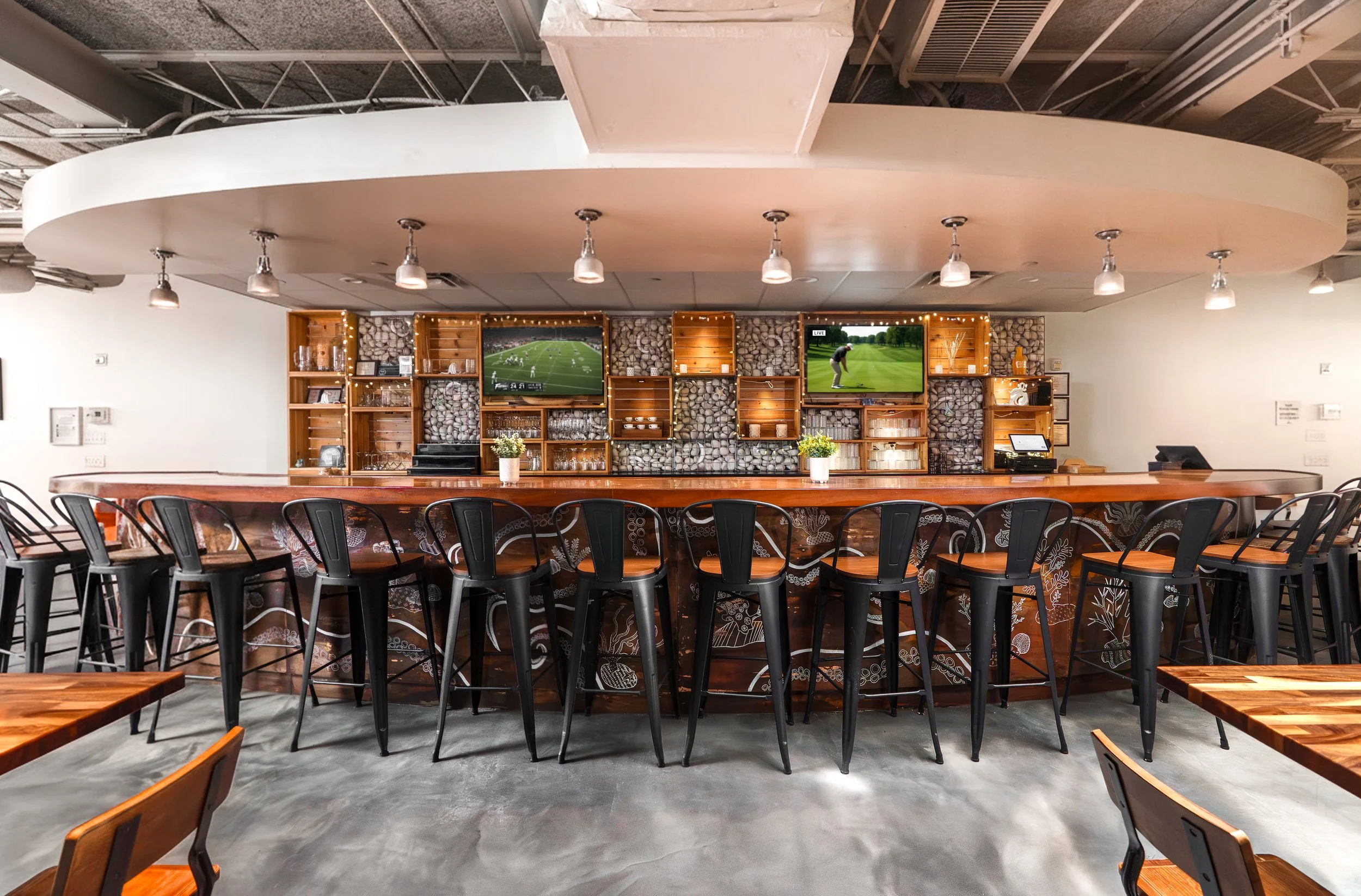
Remove what doesn’t serve the image
Walk through your space with one question: would I want this in a magazine spread? If the answer is no, it needs to go — at least for the duration of the shoot.
The usual offenders: extension cords, charging cables, plastic water bottles, paperwork, branded employee items, personal effects, “back of house” supplies that have crept into the front of house, anything with a competing brand logo, anything plastic that should be ceramic or glass, and (especially in Florida) hurricane shutters, sun-faded patio cushions, and storm-prep clutter.
Don’t forget the exterior. If we’re shooting building exteriors, drone footage, or pool decks, the same rules apply: clear lounge chairs of personal items, remove pool toys and maintenance equipment, hide hoses, and make sure landscaping is freshly trimmed.
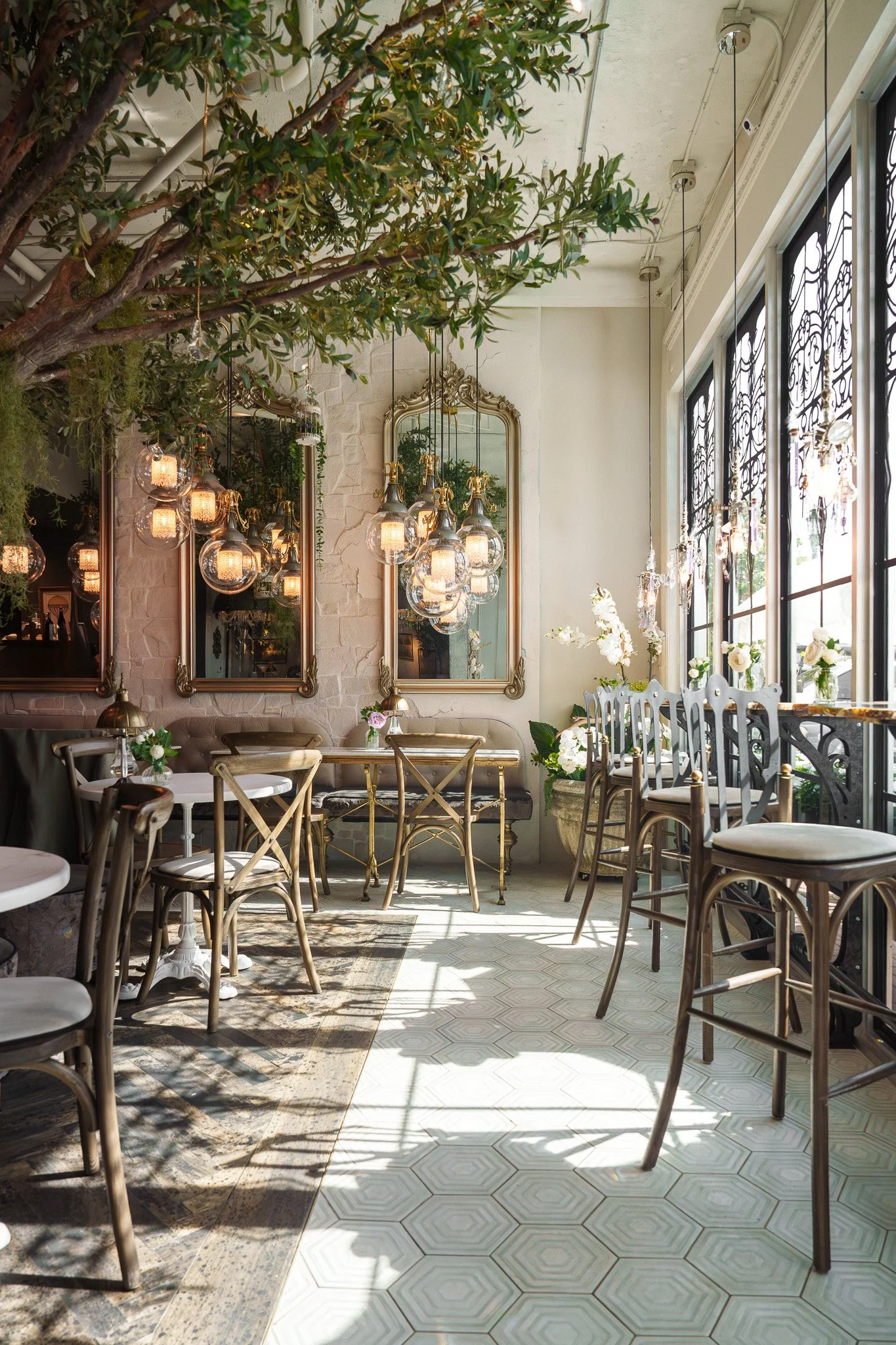
Light the way you want to be seen
Most commercial interior photography combines natural light with the space’s own ambient lighting. That means: every light bulb that’s supposed to be on should be working. Burned-out bulbs are one of the most common — and most fixable — pre-shoot problems. Walk through with a ladder a day or two before and replace any bulbs that are out, dim, or the wrong color temperature compared to their neighbors. Mismatched color temperatures are a nightmare in post-production and can compromise the final look.
Open all blinds and curtains the morning of the shoot, and trust your photographer on what to close, dim, or adjust.
Communicate before shoot day
The best shoots start with a pre-shoot walk-through or call. A few days before, send your photographer (yes, me, if we’re working together) a punch list of priority shots, brand guidelines, any logos that need to appear or be hidden, and the names of any people who’ll be on-site.
Tell me if there are time-sensitive moments — golden hour exteriors, a chef plating a signature dish, a class in session at the fitness studio, a property at peak occupancy. Tell me what’s off-limits and what’s hero-worthy. Tell me how the images will be used (web, print, ads, social) because that affects how I shoot.
A well-prepared space and a well-aligned photographer are an unbeatable combination. The result is imagery that doesn’t just document your space — it sells it.
Ready to plan your shoot? Book a consultation and let’s make your space look as good in pixels as it does in person.
Adam J Tanner is a commercial photographer based in Delray Beach, serving hospitality, interior design, and commercial clients across South Florida — from Palm Beach and Fort Lauderdale to Miami and Naples.