
Drone Photography for South Florida Properties: When (and When Not) to Use It
Drone photography has become one of the most requested add-ons for South Florida property shoots — and for good reason. An aerial perspective can transform a listing, reveal the relationship between a property and its surroundings, and showcase amenities that simply cannot be captured from the ground. But drone work is not a magic upgrade for every project. Knowing when to fly, and when to skip it, separates a polished campaign from wasted budget.

When drone photography is worth every penny: oceanfront and waterfront properties are the clearest win. A hotel sitting on the Atlantic, a marina-front restaurant, or a luxury home overlooking the Intracoastal tells its full story only from the air. The proximity to water, the scale of the property, and the surrounding landscape all become immediate selling points. The same is true for resorts and multi-amenity properties where pools, cabanas, tennis courts, and landscaped grounds spread across acres. A single aerial frame communicates more than a dozen ground-level images.
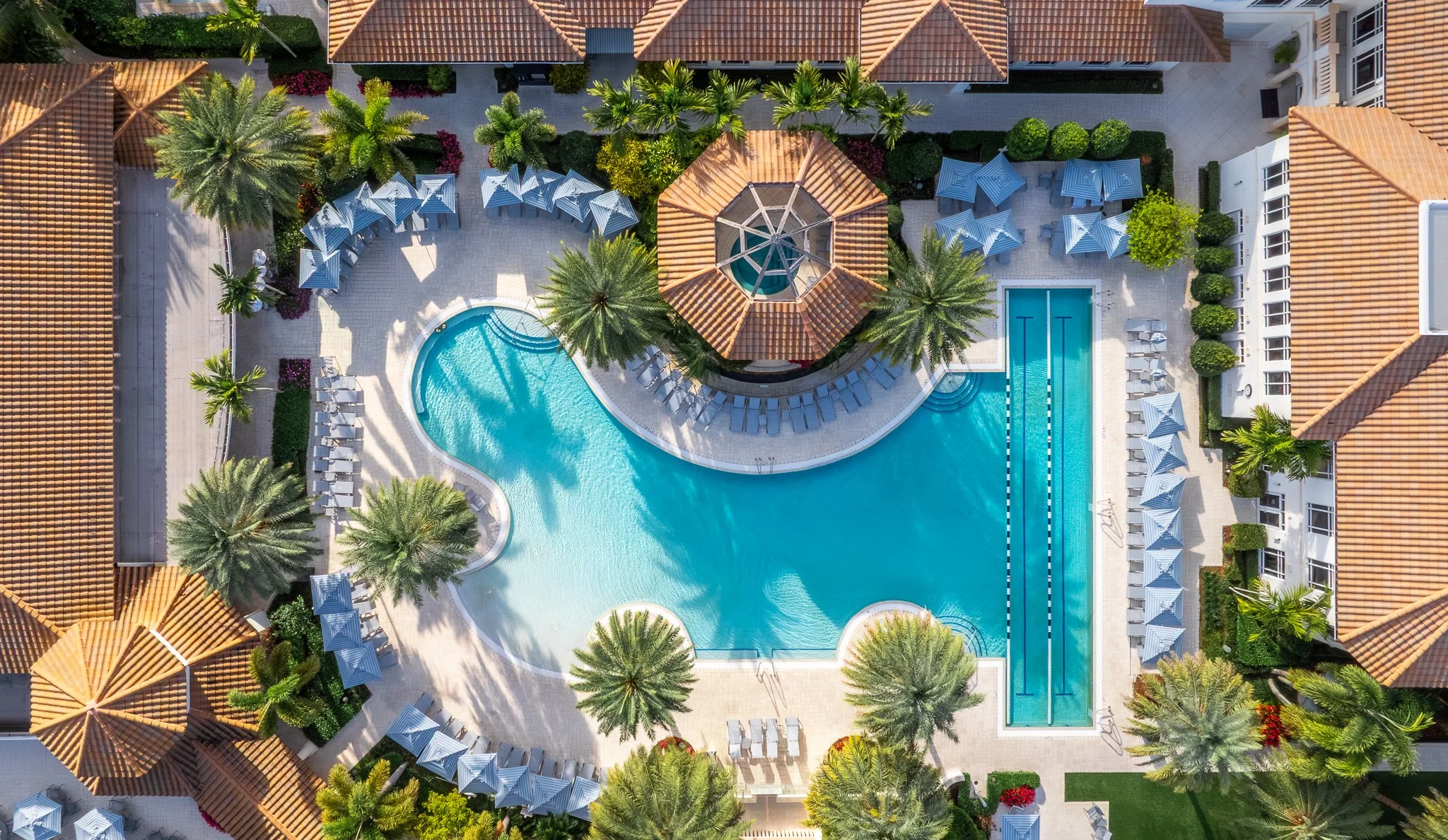
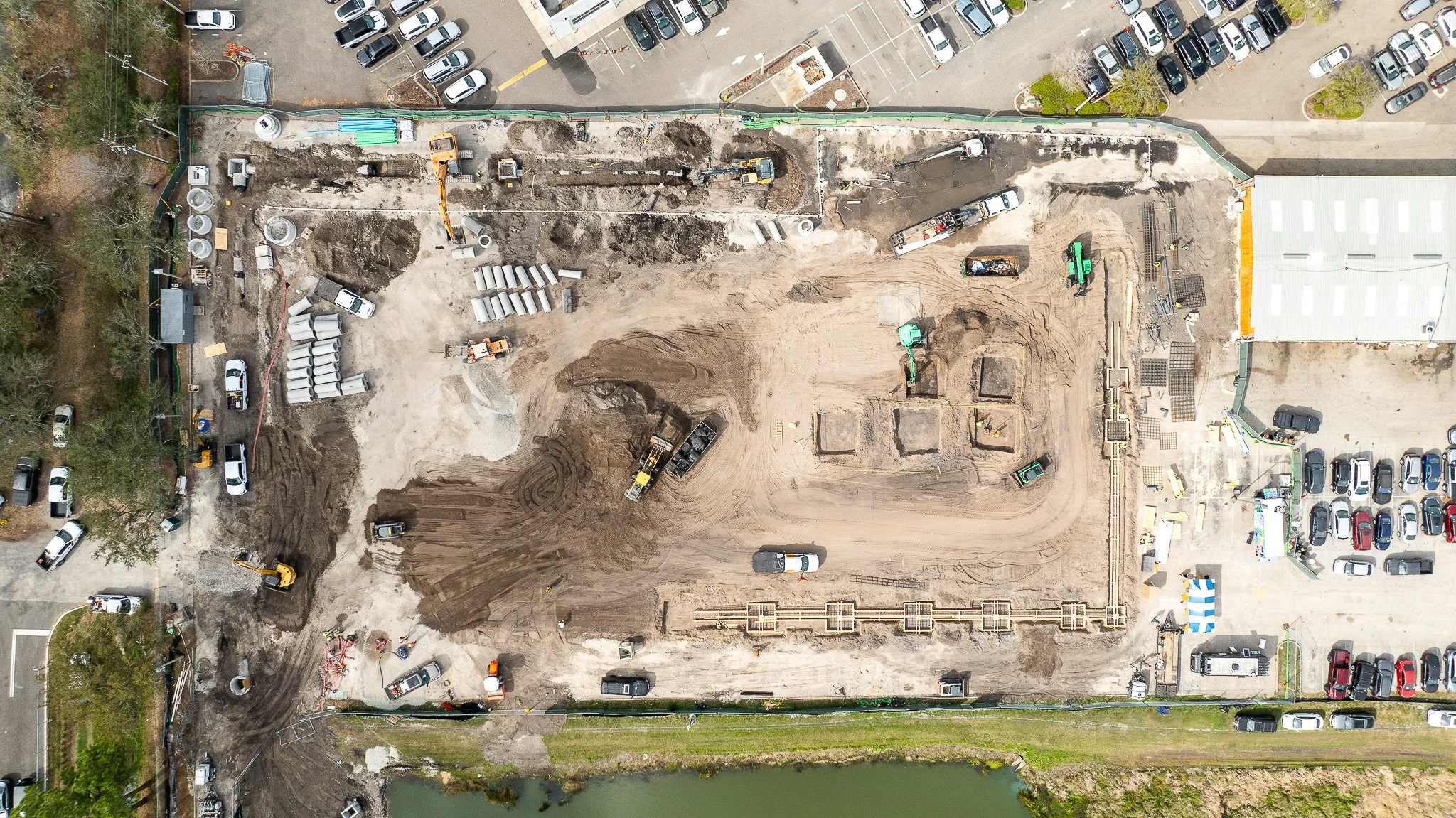
Large-scale developments and new construction also benefit enormously from drone coverage. Developers marketing pre-construction projects need aerial context to show parcel size, neighborhood, and proximity to highways, airports, or attractions. Construction progress shots from above document a project’s evolution in a way that ground photos cannot match.
When drone photography adds little value: small interior-focused businesses rarely benefit. A boutique restaurant on Atlantic Avenue, a downtown spa, or an interior design studio in a multi-tenant building gains almost nothing from an aerial shot. The roof of the building is not a selling point, and the surrounding parking lot or neighboring structures often distract from the brand. Spend the budget on stronger interior and detail shots instead.

There are also practical limits in South Florida. Much of Palm Beach County, Broward, and Miami-Dade sits inside controlled airspace surrounding airports like PBI, FLL, and MIA. Flights in these zones require FAA LAANC authorization, and some areas are restricted entirely. Coastal properties near critical wildlife habitats, certain beaches during sea turtle nesting season, and any property within five miles of a stadium on event days can also be off-limits. A qualified Part 107 commercial drone operator handles these clearances before the shoot date — it is not something to leave to the morning of.
Weather is the other variable that gets overlooked. South Florida light is gorgeous, but afternoon thunderstorms, high winds along the coast, and harsh midday sun can ruin aerial work. The best aerial images of Delray Beach, Boca Raton, and Fort Lauderdale properties are typically captured during the golden hour windows just after sunrise and just before sunset, when shadows are long and water takes on its richest color. Budget the shoot day accordingly and build in flexibility for weather holds.
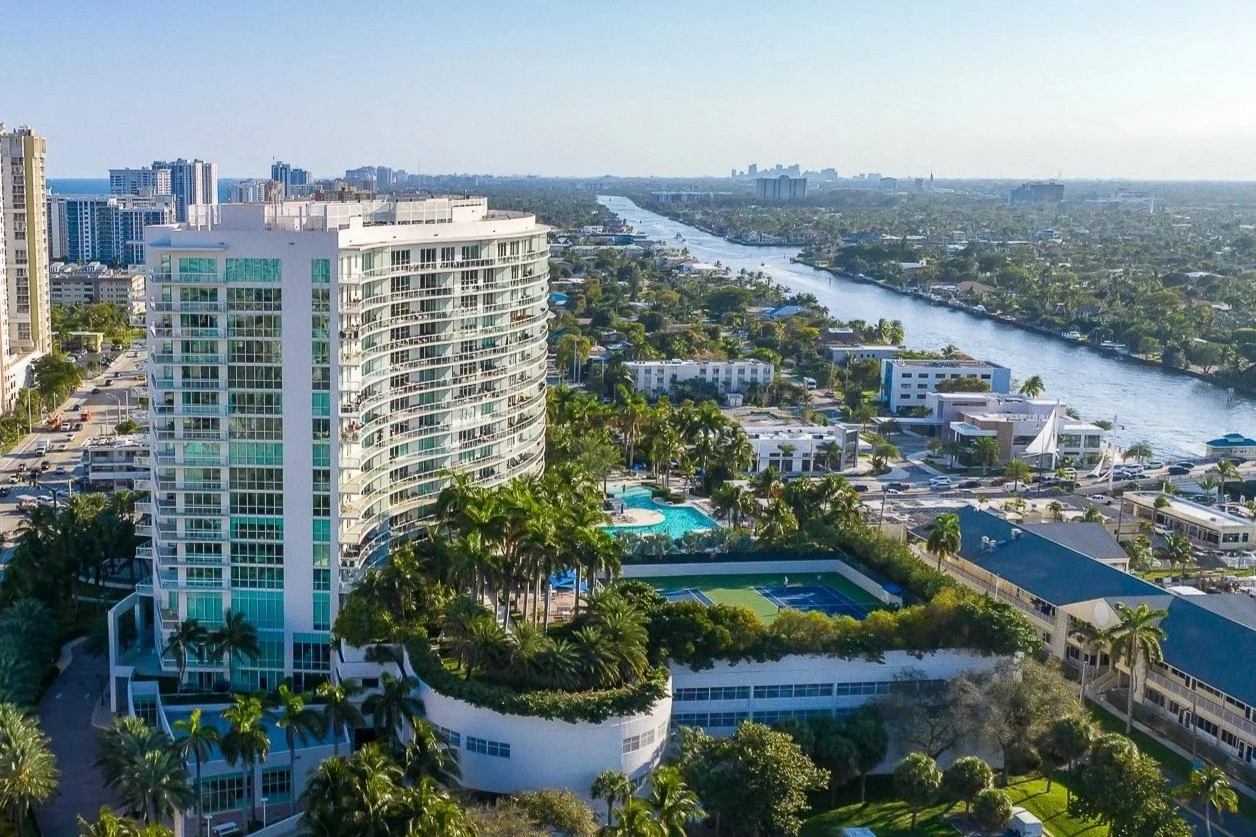
The bottom line: drone photography is a powerful tool when the property has scale, water frontage, or surrounding context worth showing. For tighter interior brands, the same budget delivers more value through better-styled detail work. The right South Florida commercial photographer will tell you honestly which one your project needs — and have the licenses, equipment, and weather flexibility to deliver either one.